
How Citadel works
- Controls are assessed in the context in which they operate, using structured assessments carried out as part of normal operational activity.
- Controls are defined once and linked to all relevant operational risks — a single control may support multiple risks across different areas.
- Evidence captured against a control informs the view across all linked risks.
- Where a control supports multiple risks, changes in its effectiveness are reflected across those risks.
- Operational risk outcomes are aggregated to provide a clear view of strategic risk, with trends and priorities for boards and senior management.
If no material risk exists, it does not appear in the register.

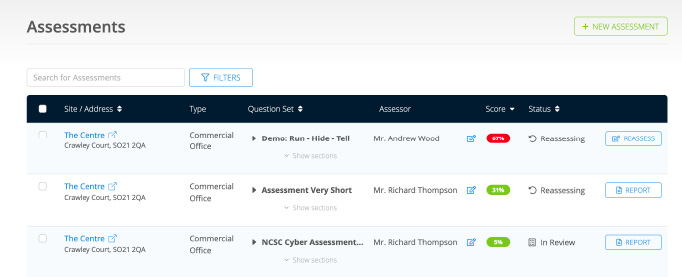 Citadel supports assessments and audits across any framework. Existing risk, compliance, and assurance approaches can be uploaded via the Question Builder,
enabling consistent assessment across sites, teams, or business units.
Citadel supports assessments and audits across any framework. Existing risk, compliance, and assurance approaches can be uploaded via the Question Builder,
enabling consistent assessment across sites, teams, or business units.
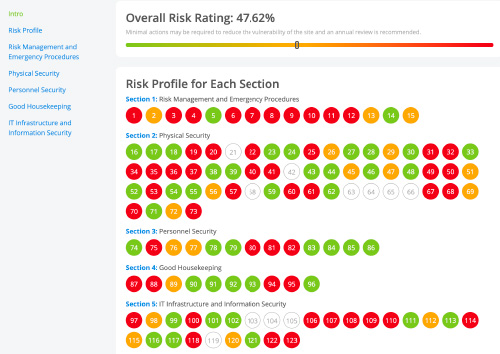 Once an assessment is completed, Citadel automatically generates reports and an executive summary, highlighting key findings and priority areas.
Outcomes feed directly into the organisation’s view of control performance and risk.
Once an assessment is completed, Citadel automatically generates reports and an executive summary, highlighting key findings and priority areas.
Outcomes feed directly into the organisation’s view of control performance and risk.
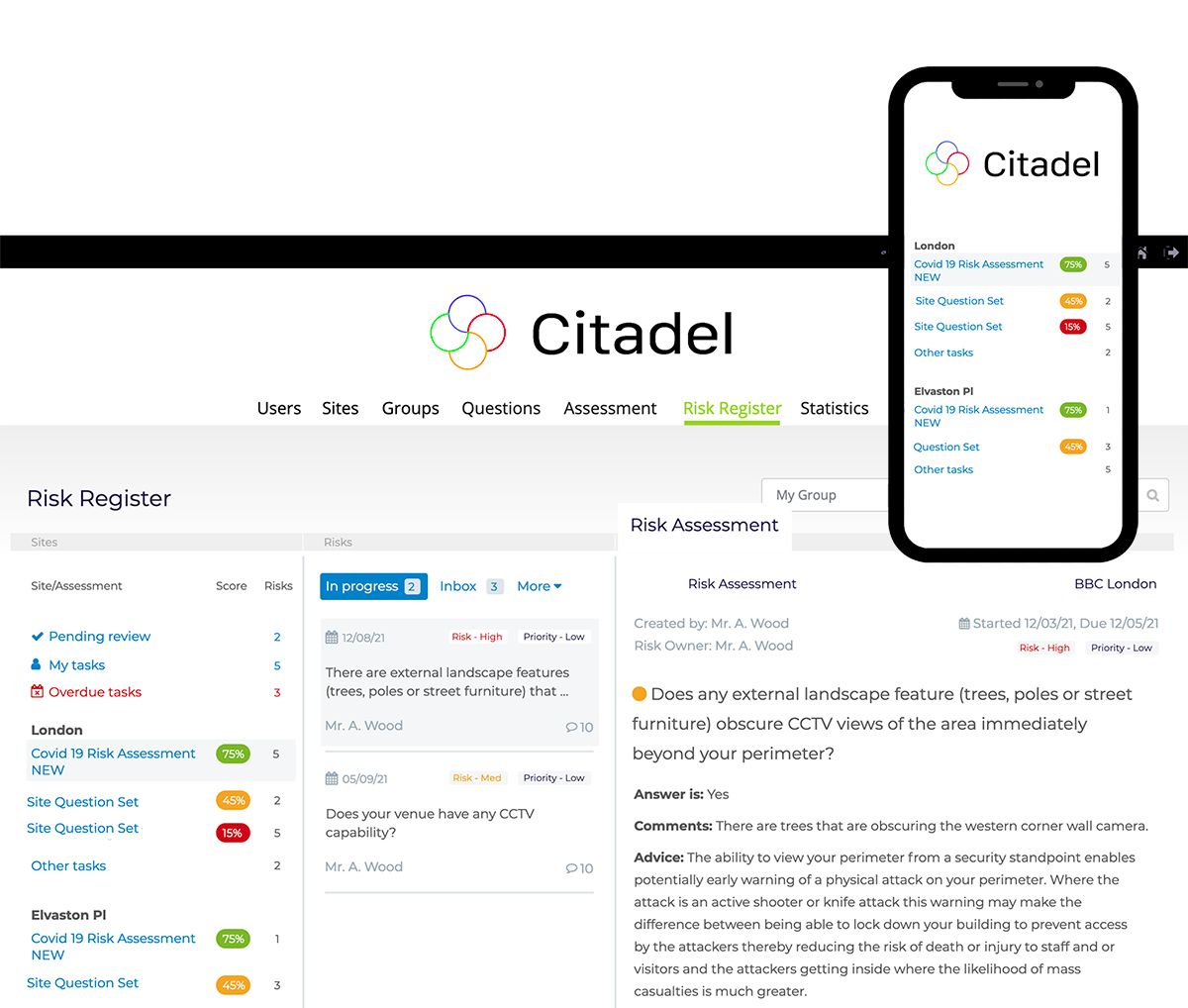
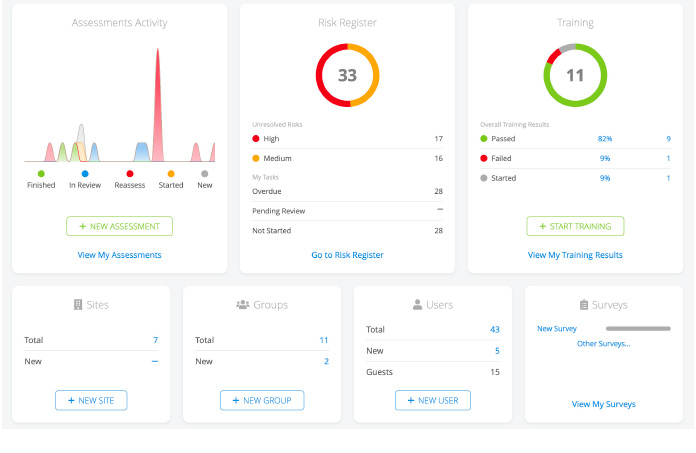
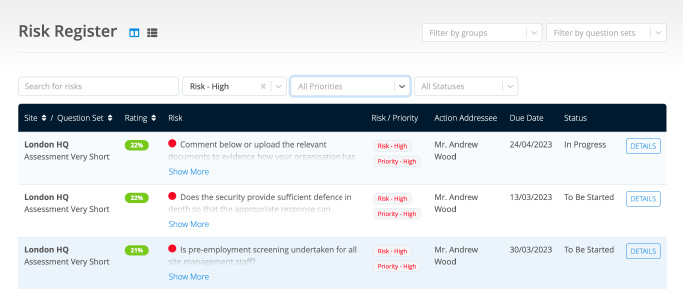 Citadel’s risk register is informed by assessment outcomes, keeping risk aligned to current control performance.
Risks can be identified, prioritised, and managed in one place, with clear ownership and status.
Citadel’s risk register is informed by assessment outcomes, keeping risk aligned to current control performance.
Risks can be identified, prioritised, and managed in one place, with clear ownership and status.
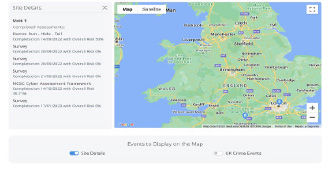 Citadel’s mapping capability helps you visualise the data you collect and bring additional risk-related data into view.
External datasets (for example fire, flood, or crime) can be incorporated through the platform’s API structure.
Citadel’s mapping capability helps you visualise the data you collect and bring additional risk-related data into view.
External datasets (for example fire, flood, or crime) can be incorporated through the platform’s API structure.
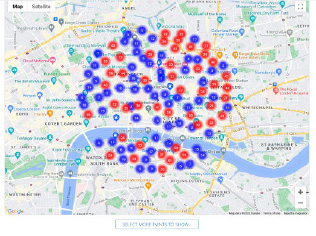 Mapping supports clearer planning and assurance by showing where risks, controls, and operational realities concentrate across locations, assets, and services.
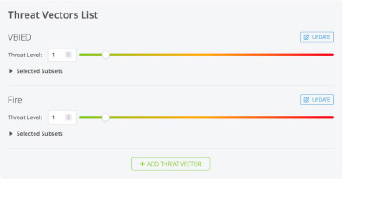 Risk is shaped by likelihood and impact. While controls may reduce likelihood, external conditions can shift the threat level over time.
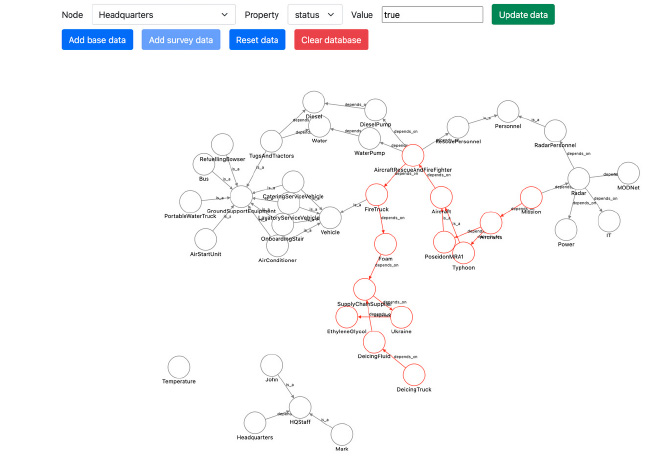 Citadel helps organisations understand critical interdependencies between assets, systems, processes, and services.
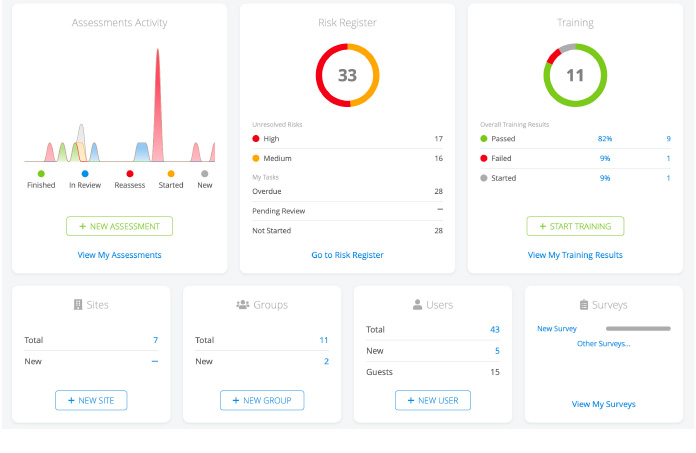
 Citadel includes learning and training management to support operational readiness.
Training can be managed centrally, with clear visibility of completion and progress.
Citadel includes learning and training management to support operational readiness.
Training can be managed centrally, with clear visibility of completion and progress.